
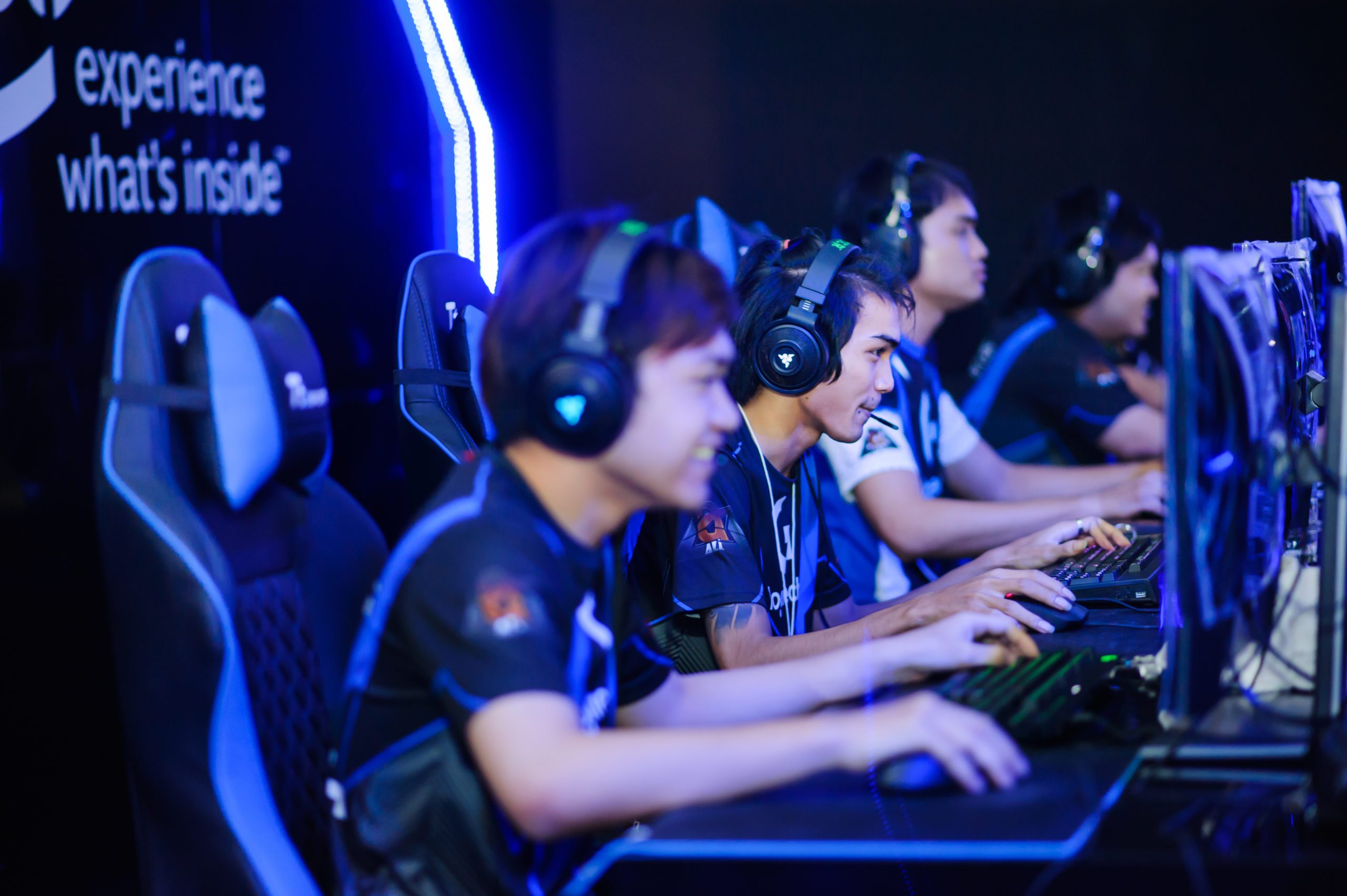
Esports is a global phenomenon that attracts billions of participants and dollars every single year. It’s not the next big thing–it is the big thing. With over 3.3 billion gamers worldwide and an expected $207 billion in revenue by the end of 2026, this digital arena is the new center of gravity. There are even plans for an upcoming launch of the new Olympic Esports Games.
Although a hobby for some, esports are on par with professional athletes at the highest level, where millisecond decisions determine million-dollar outcomes at the competitive level. The stakes are high, and that’s why a pro gamer’s most important piece of equipment isn’t their mouse–it’s their fiber-optic line.
Learn more about esports and how the right internet setup can help improve speed and performance.
The evolution: From PC bangs to Metaverse stadiums
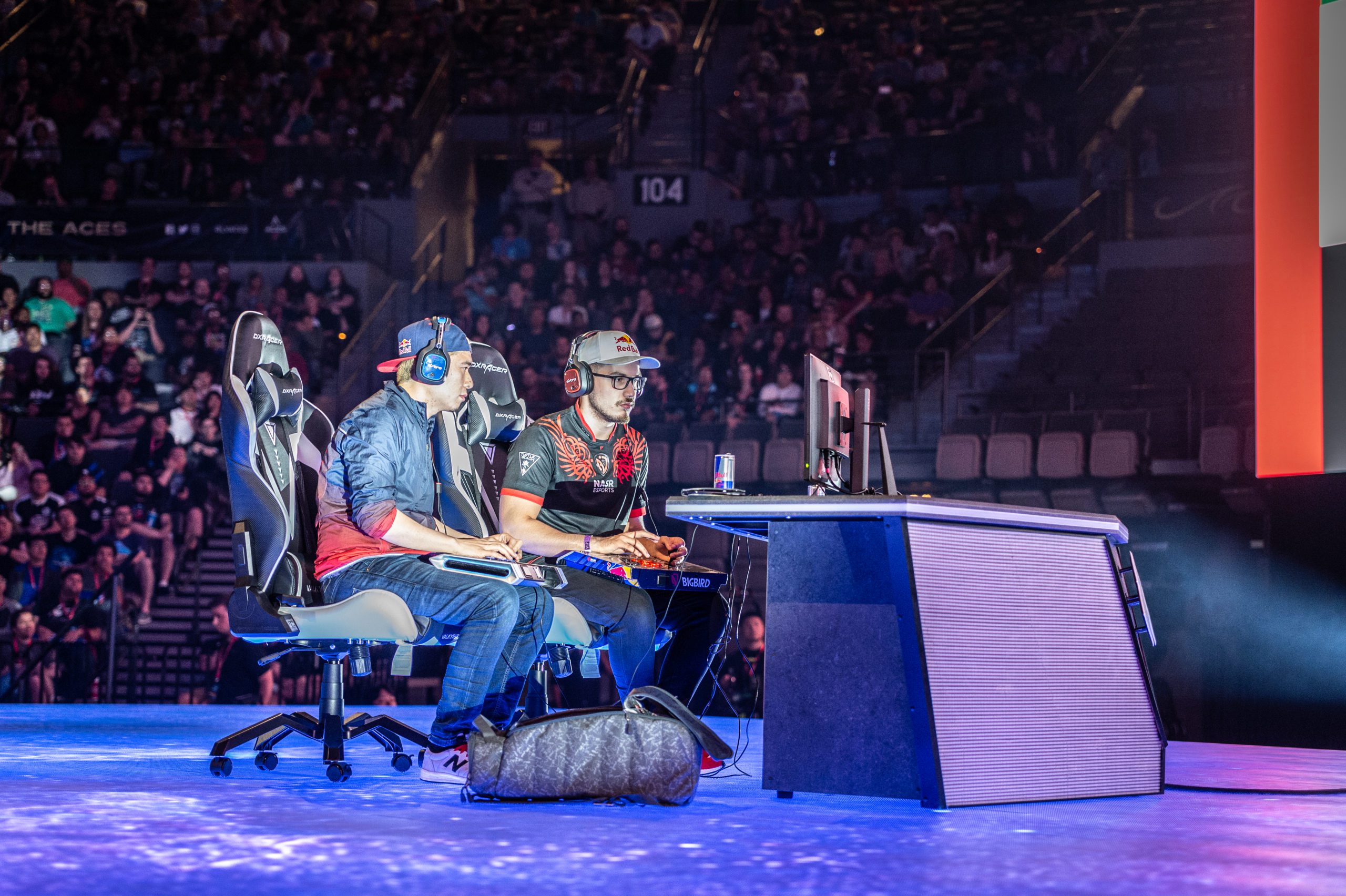
What does esports mean? The acronym refers to electronic sports, a type of competitive video gaming. The competitive structure started in South Korea with an explosion of LAN gaming centers, called “PC bangs.” These in-person hubs offered fast gaming connections and high-quality computers. Esports exploded worldwide when streaming platforms like Twitch and YouTube made it easy for spectators across the world to tune in to the action.
In 2026, the phenomenon has reached the next level with spatial computing and VR leagues, which moves competitive gaming beyond the screen and into immersive 3D environments. Online events require an entirely new level of production, with 8k interactive streams where fans can hop into the game as spectators. Live chats and virtual watch parties are also popular ways to enjoy esports as a social event with friends from around the world.
The major genres of 2026
If you’re not familiar with professional gaming, you may be surprised to learn that there are several different types of games. What are esports game genres?
- Tactical Shooters (FPS): Valorant, Counter-Strike 3, and Overwatch Ultra are some of the most popular first-person shooter (FPS) games, in which you play as a single character with a weapon. The goal is to eliminate other players. These are high-speed, high-reflex games where zero millisecond jitter can mean the difference between a hit and a miss.
- Strategic Masterminds (MOBA/RTS): Think of these multiplayer online battle arena (MOBA) and real-time strategy (RTS) games as a digital capture the flag where players choose characters and break into teams with the goal of destroying the enemy base. League of Legends and DOTA 2 now feature AI-integrated coaching and real-time data overlays for viewers.
- Battle Royales: This is the survival-of-the-fittest format that defines the modern social gaming era with popular titles like Fortnite and Apex Legends. It’s like The Hungers Games, but with hundreds of online players dropped into one arena.
- Sim-Racing & VR Sports: These two categories can blur the line between physical and digital, using haptic suits and 1:1 motion tracking to make the experience feel as real as possible. Whether you’re racing as an F1 driver or throwing punches in a virtual boxing ring, today’s tech has broadened the capabilities of esports.
Why speed is only half the story
In order to competitively participate in any esports arena, you need to make sure your ping is as low as possible. This number measures the latency between the actions you tap on your controller and the server’s response. In other words, high ping means there’s a lag between your actions and how they’re showing up in the game.
Symmetry is another must-have in the world of esports. Professional gamers aren’t just playing – they’re also livestreaming their point of view in 4k and even 8k. Symmetrical upload speeds allow for a clear broadcast without choking the game data.
A great way to manage all this fast-moving data is with a smart router that knows how to prioritize devices. Quantum Fiber® from AT&T can help your gaming device get in the fast lane, while other home devices (like a smart fridge or thermostat update) stay in the background.
The professional ecosystem: Teams, coaches, and lifestyle
Even with a stellar Wi-Fi connection, it takes a lot of people and work to bring esports to life. Professional gamers may train 8 to 12 hours per day, including both physical and mental exercises to maintain 400+ actions per minute (APM). Often these training regimens are overseen by certified esports coaches who are trained to maximize players’ skill development.
It may seem like a lot of effort for video games, but the stakes are high. Massive international tournaments draw huge crowds. The annual Valorant tournament, for instance, brings in over a million viewers, with players competing for a $2 million prize pool.
Gaming is also showing up in the education system, showing that it’s beneficial even for those who don’t intend to go pro. The Achievery is an online education platform that helps develop logic and STEM skills that the next generation can use in gaming. Older students can even pursue esports degrees in college, such as the esports and sports management degree from Baker College.
How to enter the arena: The setup
What is the esports setup you need to start gaming? Here’s a minimal-lag checklist to get you started.
- Wired Cat 7/8 Ethernet connection
- Quantum Fiber plan (up to 1 Gig to up to 8 Gig for the ultimate headroom)
- Wi-Fi 7 hardware for mobile or tablet competitive play
You can also read tips from Quantum Fiber for more help to optimize your network specifically for gaming traffic.
Your skills, our speed
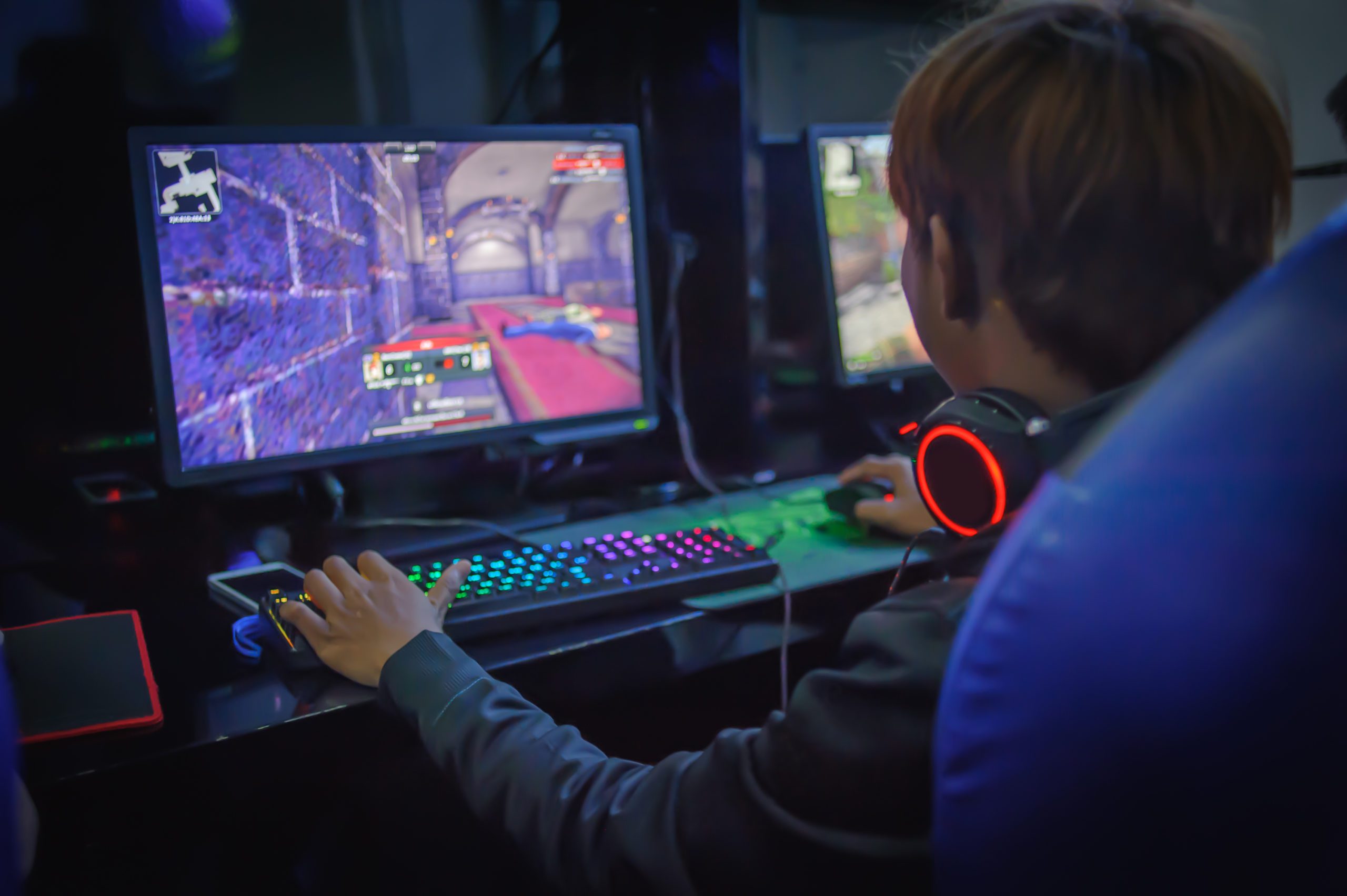
No matter how much you hone your gaming skills, your network needs to keep up with game servers to bring home the win. Quantum Fiber provides 99.9% reliability based on network uptime, plus the low latency that every gamer needs.
Is your connection ready for the big leagues? Check your address for Quantum Fiber and get a great gaming experience.
Content Disclaimer - Content Disclaimer - All content is for informational purposes only, may require user’s additional research, and is provided “as is” without any warranty, condition of any kind (express or implied), or guarantee of outcome or results. Use of this content is at user’s own risk. All third-party company and product or service names referenced in this article are for identification purposes only and do not imply endorsement or affiliation with Quantum Fiber. If Quantum Fiber products and offerings are referenced in the content, they are accurate as of the date of issue. Quantum Fiber services are not available everywhere. © 2026 AT&T Intellectual Property. AT&T and globe logo are registered trademarks of AT&T Intellectual Property. All other marks are the property of their respective owners.