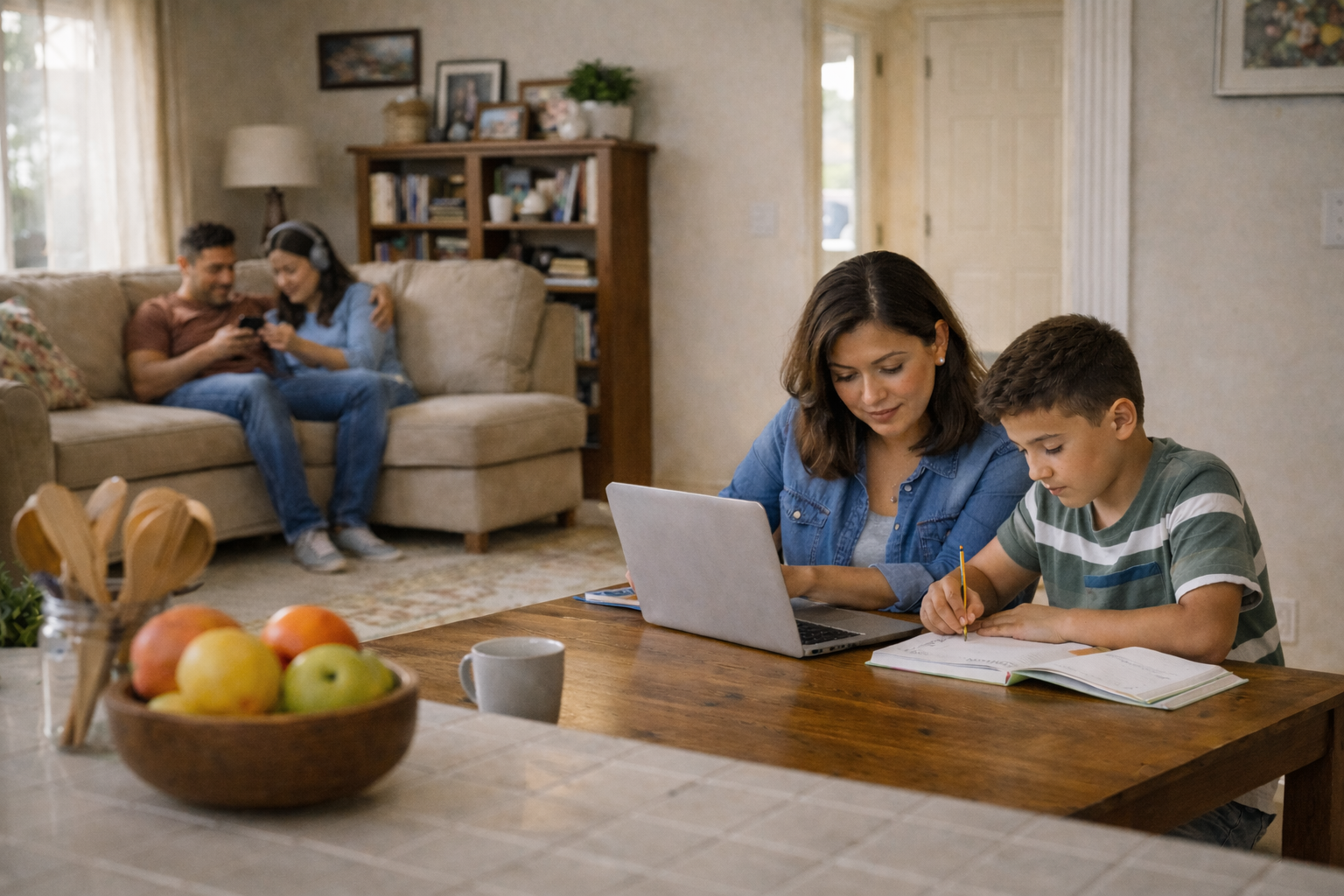
Imagine that you couldn’t easily use the internet to check your bank account, pay your bills, find a job, or search for a home to rent or buy. Navigating modern life would suddenly become a lot more complicated.
Broadband internet access is more than a convenience. It’s a necessity, yet many people lack home internet access. These Americans face real barriers to opportunity—a hurdle that efforts toward digital equity can help to lower.
What is digital equity?
Disparity of access to broadband internet creates the digital divide, a gap between people with access to effectively engage online and people without access, support, and skills to do so. According to the National Digital Inclusion Association (NDIA), “the digital divide prevents equal participation and opportunity in all parts of life.” The divide in access disproportionately affects people of color, Indigenous peoples, older adults, rural residents, and low-income households.
Lack of internet access can keep people from fully participating in education, healthcare, and commerce, and more. Narrowing the digital divide requires an investment in digital equity, the point in a society when all individuals in a community have the internet access needed to fully participate in their society.
Why digital equity matters
For those on the wrong side of the digital divide, lack of access can exacerbate already existing inequalities. Consider unhoused populations: without reliable internet, they may not be able to apply and promptly follow up on job and housing applications that may improve their circumstances. Once a job is secured, lack of internet access can slow communication and compromise performance. Likewise, children living without home internet access can be at a disadvantage researching and completing homework assignments.
Achieving true digital equity requires more than just an internet connection. Digital equity can be achieved through high-capacity broadband like fiber, as well as the skills and support to use it effectively. When those tools are available to all, it can lead to significant improvements in educational outcomes, health outlook, and economic opportunity.
Healthcare and digital equity
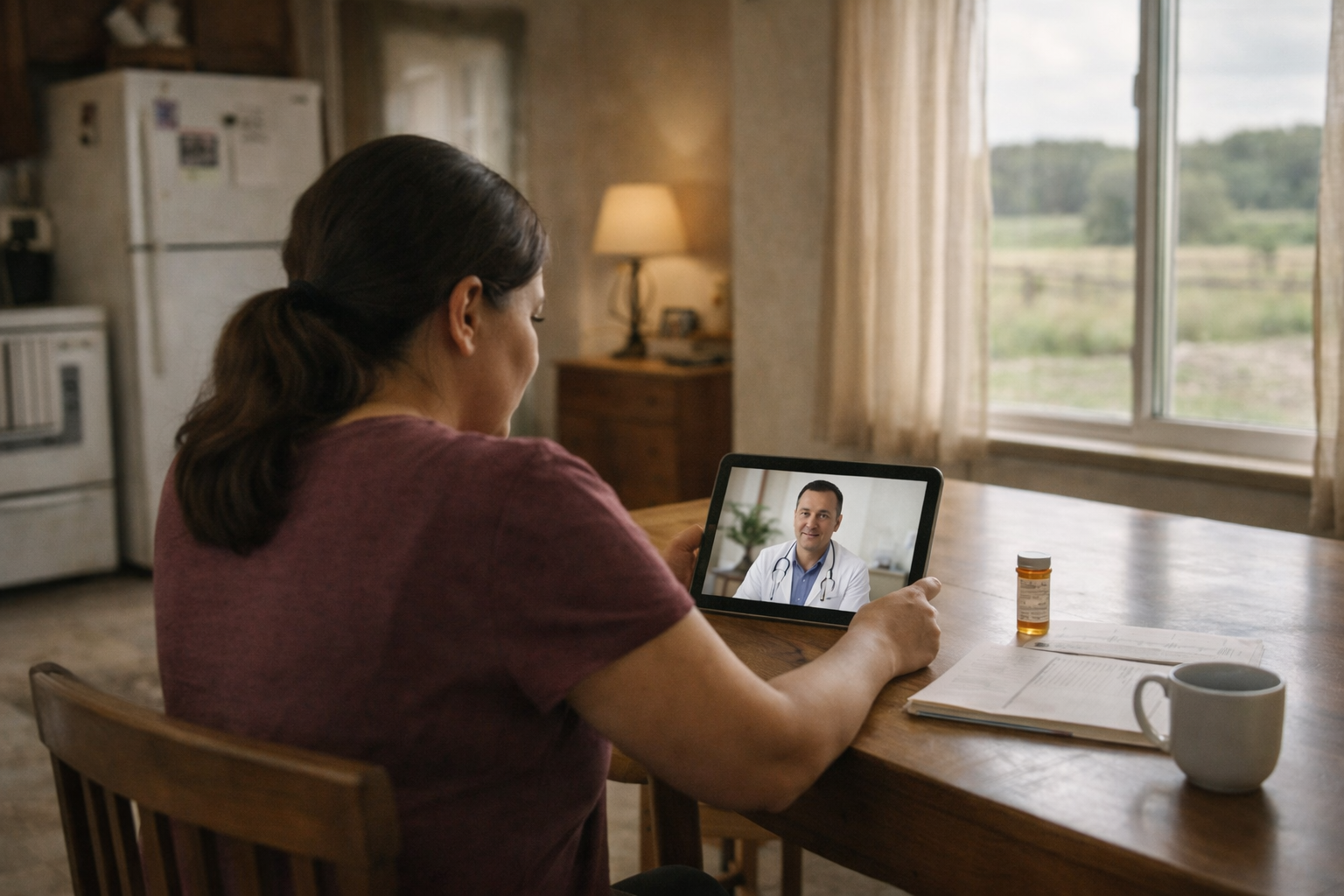
In 2019—well before the COVID-19 pandemic was in full swing—more than half of American households used the internet to access their health records, communicate with doctors and other health professionals, and research health information. Just a few months later, when the pandemic forced people to isolate themselves in their homes, telemedicine use increased by nearly 800%. Two years later, the number of physicians using telemedicine had doubled.
But not everyone could enjoy the benefits of telemedicine. Most telehealth and telemedicine users have higher incomes, more education, and live in metropolitan areas with greater population density.
That leaves lower-income households at a distinct healthcare disadvantage. The Federal Communications Commission (FCC) has observed that Americans in areas with inadequate broadband access may suffer from worse health outcomes, including:
- Higher rates of obesity and diabetes
- Higher rates of preventable illness
- Decreased access to physicians
Access to telehealth is especially crucial for people in rural areas, where the nearest hospital can be many miles from one’s home. Without a stable high-capacity internet connection, a simple doctor’s visit can take a full day’s journey. Thankfully, rural communities have made great strides in digital equity, often using hospitals as anchor institutions for middle-mile fiber lines in public-private partnerships. Not only can that fiber increase rural access to telemedicine, but it can improve residents’ lives in other ways as well.
Digital equity in rural America
About 46 million people—or 14% of Americans—live in rural counties. As global commerce becomes ever more interconnected, digital equity for rural residents is essential to economic growth and resilience. A 2024 study by the Center on Rural Innovation (CORI) observed that fiber broadband adoption can significantly increase income, entrepreneurship, and business investment in rural communities, including:
- A 213% increase in business growth
- A 10% increase in self-employment opportunities
- A 44% increase in GDP
- An 18% increase in per capita income
Fiber coverage in rural America has improved by more than 20% in the last decade, thanks to the efforts of local advocates across the U.S. While those numbers are impressive, rural America can still benefit from increased investment in digital equity. Rural fiber coverage still lags behind availability in larger metropolitan areas.
Digital equity in education
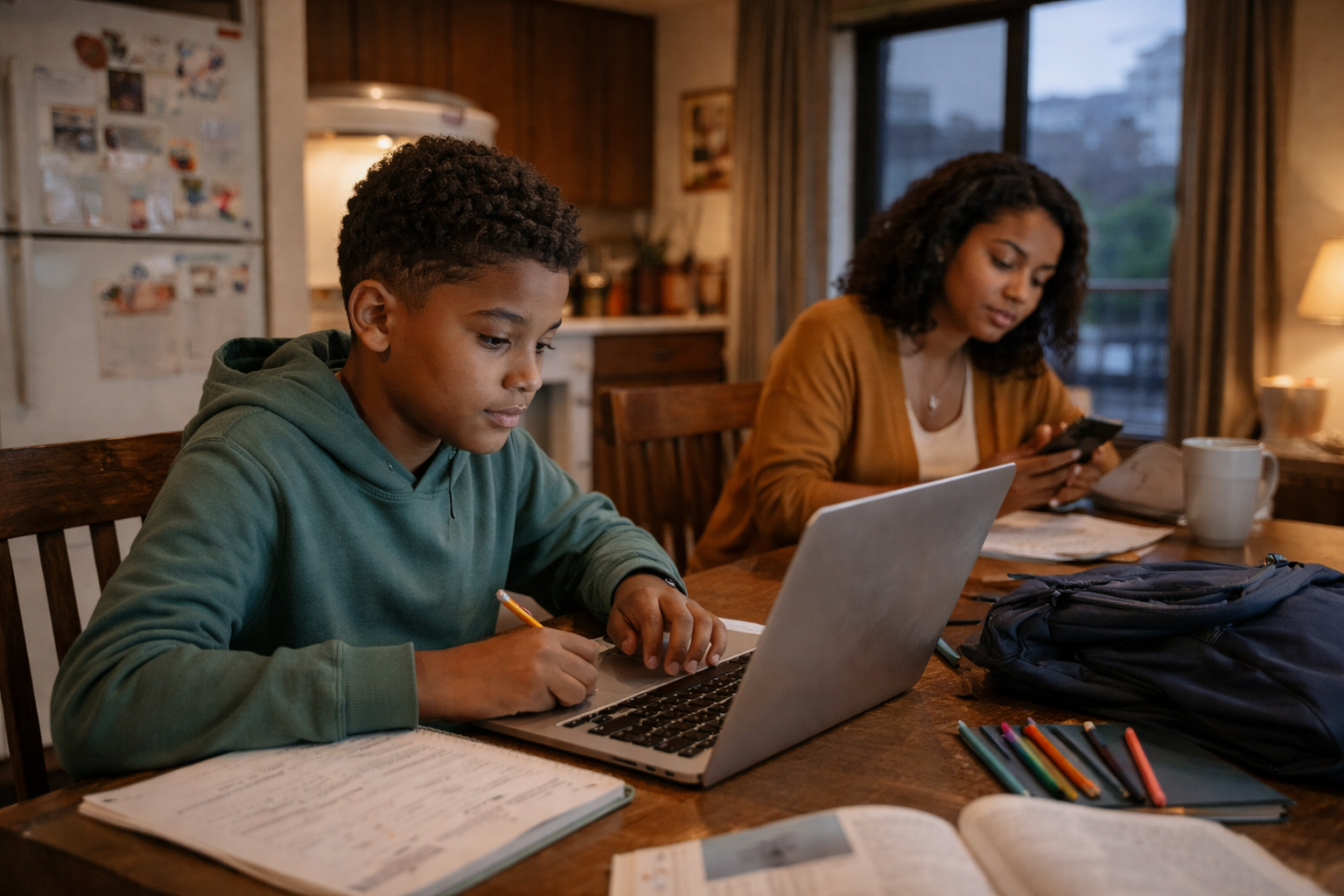
Digital equity isn’t just a rural issue: the digital divide still exists even in more densely populated urban areas. Nationwide, between 15 and 16 million students in grades K-12 are at a disadvantage, and 80% of them live in urban and suburban areas.
In New York City, for example, about a quarter of households—more than 2 million people—lack a home broadband connection. That percentage is even higher for Black, Hispanic, low-income, and senior households. (In some high-poverty areas, more than 40% of households lack high-speed broadband.)
These disparities create particular education-related challenges. During the pandemic, when schools across the country switched to remote learning, the digital divide deepened. Between 11 and 13% of New York City students lacked adequate home internet access to participate fully in their virtual classes.
Achieving digital equity can make a dramatic impact in students’ learning outcomes. Studies have shown that fiber broadband access can help:
- Increase schools’ passing rates on standardized tests
- Increase elementary school passing rates
Those results are consistent across location, ethnicity, and gender. Digital equity can benefit all students, regardless of their background or identity.
Fiber broadband and digital equity
Fiber internet is a key factor in digital equity initiatives throughout the U.S. Fiber doesn’t just meet the FCC’s standard for high-speed broadband: it can exceed it by up to 20 times. Many fiber plans also offer symmetrical speeds, meaning users can upload and download data at the same speed—again surpassing the FCC’s broadband requirements.
Performing remote work, uploading homework, and telehealth appointments: they all become easier with a fiber connection. Thanks to its capacity and resilience, fiber is uniquely suited to support digital equity efforts across the country.
Check now to see if Quantum Fiber internet is available in your community.
Content Disclaimer - All content is for informational purposes only, may require user’s additional research, and is provided “as is” without any warranty, condition of any kind (express or implied), or guarantee of outcome or results. Use of this content is at user’s own risk. All third-party company and product or service names referenced in this article are for identification purposes only and do not imply endorsement or affiliation with Quantum Fiber. If Quantum Fiber products and offerings are referenced in the content, they are accurate as of the date of issue. Quantum Fiber services are not available everywhere. Quantum Fiber service usually means 100% fiber-optic network to your location but, in limited circumstances, Quantum Fiber may need to deploy alternative technologies coupled with a non-fiber connection from a certain point (usually the curb) to your location in order to provide the advertised download speeds. © 2026 AT&T Intellectual Property. AT&T and globe logo are registered trademarks of AT&T Intellectual Property. All other marks are the property of their respective owners.