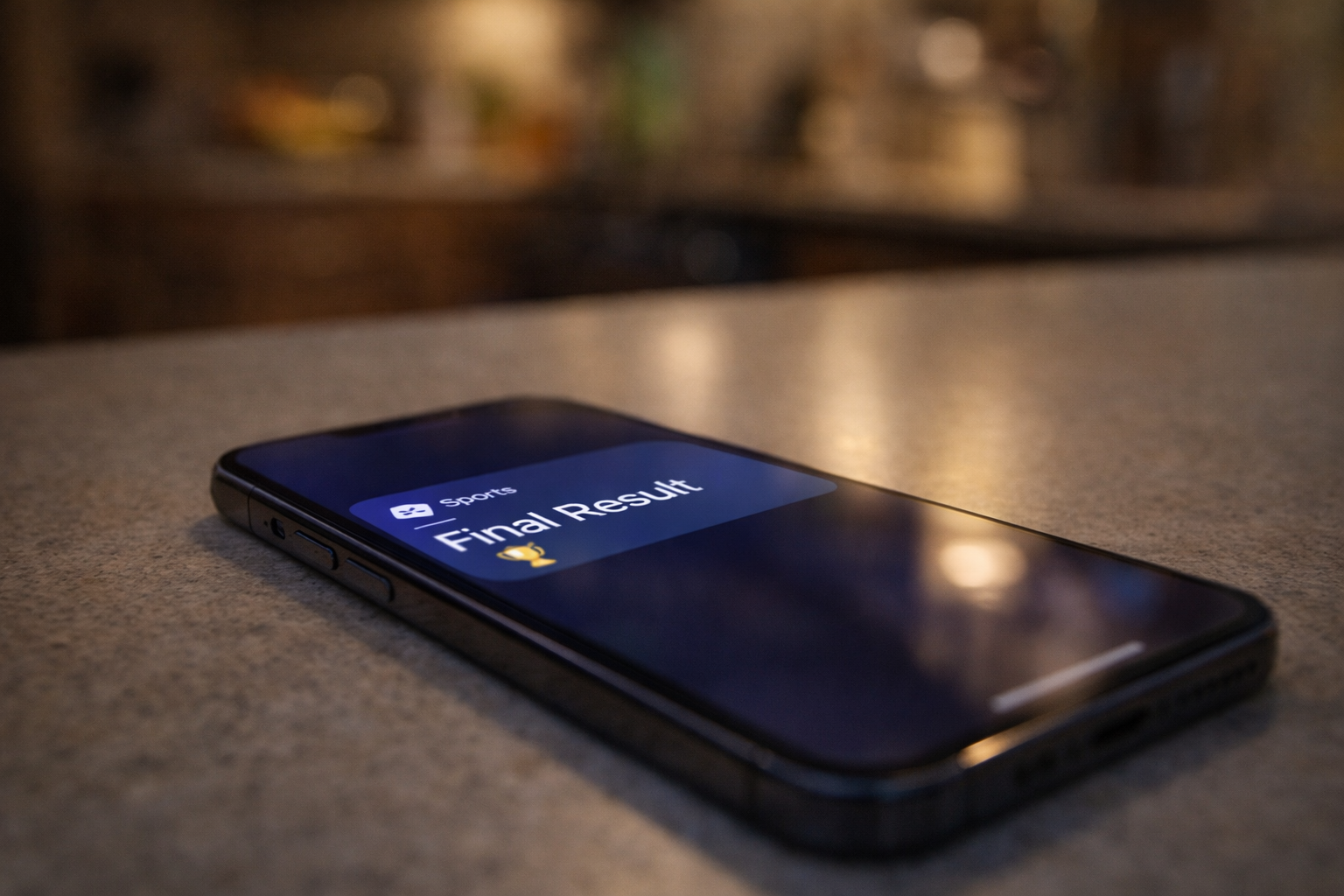


Imagine scrolling through your favorite music streaming app, tapping play on a track, and realizing—the artist behind the beat isn't a person. It’s an algorithm.
This isn't science fiction anymore. Artificial Intelligence (AI) has moved far beyond simple digital filters; it is now composing complex musical pieces, generating lyrics, and even cloning the voices of famous singers with startling accuracy. The boundaries between human artistry and machine creation are blurring, prompting a fascinating, and sometimes fearful, discussion.
For those of us who live and work in the digital world—whether we’re Content Creators needing background tracks, Streamers looking for dynamic soundscapes, or Remote Workers collaborating on a new sound project—this shift changes everything.
The music industry is undergoing a fast-tracked industrial revolution, posing big questions: What does AI mean for the soul of music? Will human musicians be replaced? And if your favorite band is an AI, where exactly do you buy concert tickets?
At Quantum Fiber, we look at technology not as a threat, but as an amplifier. The Quantum Fiber network is designed to handle the massive data flows, cloud processing, and high-fidelity uploads that AI music creation demands. This post dives into the dual-sided transformation of the music world, explores the major pros and cons of algorithmic artistry, and explains why ultra-fast, reliable fiber internet is the essential backbone for every modern musician, whether they use a guitar or a generative prompt.
Key takeaways
- AI is a powerful co-pilot: Artificial Intelligence is transforming music by serving as an assistant for composition, orchestration, and automated mixing, helping to democratize music production for independent artists and Content Creators.
- The cost of convenience: The major drawbacks of AI music include the economic threat to human artists, legal and ethical concerns over copyrighted training data, and the loss of the authentic human connection, including the live concert experience.
- Listener focus evolves: While listeners initially question a song's "realness," their focus ultimately shifts to the quality and emotional impact of the listening experience, though the lack of a human story can limit deep connection.
- Fiber is the foundation: Modern, AI-assisted music production is data-intensive, requiring massive file transfers, cloud processing, and low-latency collaboration. A fiber internet connection is essential to support the high-volume, symmetrical speeds required for professional digital music creation.
- Quantum Fiber delivers backbone: The Quantum Fiber network provides reliability, symmetrical speeds on most plans (including multi-gig options in select areas), and unlimited data to ensure artists and creators have the essential, high-performance connection they need to thrive in the age of algorithmic art.
The rise of the algorithmic artist: Defining the digital soundscape
Before we weigh the benefits and drawbacks, let’s define what AI music actually is.
AI music isn't a single genre or process. It's an umbrella term for music created or assisted by software systems trained on colossal databases of existing songs, scales, rhythms, and sounds.
These systems—like Suno, Udio, and AIVA—don't just shuffle loops; they learn the deep, structural patterns of music theory, harmony, and style. They can then generate entirely new compositions based on a simple text prompt (a process called "text-to-music"). Imagine typing: "Write an upbeat, 80s synth-pop song about driving fast on a rainy night," and receiving a fully produced track in seconds.
This technology is utilized in several powerful ways:
1. Composition assistance and idea generation
AI serves as a tireless, boundary-pushing collaborator. Composers use it to break through creative blocks, generate endless variations on a theme, or instantly mock up complex orchestral arrangements that would take a human composer weeks to transcribe.
2. Automated mixing and mastering
For independent artists, the technical process of mixing and mastering (getting the song to sound professional and ready for radio) has always been expensive and time-consuming. AI-powered plugins now help achieve consistent, studio-quality results by analyzing the track and suggesting optimal equalization, compression, and levels.
3. Voice cloning and deepfakes
This is perhaps the most controversial area. AI can be trained on vocal tracks to create an artificial model of an artist's voice. This allows artists who can no longer sing (due to illness, for example, as seen in the recent work by country singer Randy Travis) to release new music. However, it has also led to "musical deepfakes," where unauthorized tracks using cloned voices of popular artists have gone viral, raising serious ethical alarms.

The cons: Where AI hits a discordant note
The rapid adoption of AI is not without its significant challenges. For many human artists, the rise of the algorithmic artist represents an existential threat to their livelihoods and the very definition of artistic integrity.
1. The devaluation of human artistry
The overwhelming concern among musicians is the economic threat posed by easily accessible, high-volume, low-cost AI music.
- Loss of revenue risk: Major global studies show that a substantial portion of music creators' revenues will be at risk due to generative AI's substitutional impact over the next few years. This is a dire projection for independent musicians who already rely on narrow margins from streaming and licensing.
- Discoverability challenges: As algorithms flood streaming services and music libraries with synthetic tracks, human-made works risk becoming harder to discover, further eroding the visibility and economic viability of artists.
2. Legal and ethical minefields
The training data used to build generative AI systems often includes massive amounts of copyrighted material—the work of thousands of human artists—scraped from the internet without explicit permission or compensation.
- Training data disputes: Copyright owners are filing lawsuits, arguing that using their protected works to train AI models constitutes unauthorized reproduction and infringement. The question is: Do AI companies need to license all the music they learn from?
- The 'human authorship' requirement: The U.S. Copyright Office is firm: copyright protection requires human authorship. This means works generated autonomously by AI systems without substantial creative intervention from a person may be ineligible for copyright, creating a legal gray area for monetization.
- Deepfakes and identity: The unauthorized cloning of a performer's voice raises profound concerns over identity rights, cultural appropriation, and artistic control, especially as AI models become accurate.
3. Concerns about authenticity and homogenization and the missing stage
Can a machine, no matter how sophisticated, truly create music that expresses the complex, messy, and deeply personal emotions of the human condition?
- The soul question: Critics argue that AI focuses on replication rather than innovation. By analyzing what has worked, AI might favor predictable patterns, risking the homogenization of music and dampening truly original, genre-bending human expression.
- The empty venue: Perhaps the most tangible consequence for fans is the loss of the live experience. Music fandom is built on connection—the energy of a crowd, the improvisation on stage, the shared, fleeting moment of a concert. An AI artist can deliver a perfect studio track, but it can’t sign an autograph, riff with a drummer, or meet a listener backstage. The lack of a real, physical presence robs the fan of the cultural connection that forms the heart of music appreciation.
- Lack of context: A human artist’s song is tied to their life experiences, struggles, and culture. An AI track, even if technically flawless, lacks that essential narrative context, potentially leaving listeners feeling disconnected.
The need for speed: AI music's massive data footprint
Whether a musician is using AI for composition or collaborating with a human producer across continents, one thing is certain: modern music production is a massive consumer of bandwidth.
AI music creation is a deeply digital, data-intensive process that relies on three pillars that cable or DSL connections often struggle to support:
1. Data-heavy training and generation
When an artist uses a generative AI tool, the process involves huge data transfers:
- Inputting and outputting: The artist sends complex prompts, sometimes including audio or MIDI files, up to the cloud. The AI system then processes this using gigabytes of learned data before sending back the resulting high-fidelity audio (often 24-bit WAV files or high-bitrate FLAC files).
- Cloud processing: Many advanced AI models live entirely in the cloud, meaning the artist is constantly uploading and downloading large data packets for every iteration and revision.
2. Ultra-high fidelity files
When music is recorded, engineered, and mastered professionally, it is done so in lossless formats (like WAV and AIFF). Unlike compressed MP3s, these files retain every detail and nuance, making them the industry standard.
- The size problem: A single, three-minute master track in a lossless format can easily be 50-100 megabytes (MB) or larger. If a Content Creator is uploading an EP with eight tracks and two different master versions, they are uploading over a gigabyte of data just for the audio. If they are uploading the multi-track stem files (the separate tracks for drums, vocals, guitar, etc.), the data load balloons into tens or even hundreds of gigabytes per project.
3. Real-time remote collaboration
The modern music studio is no longer a physical room—it’s a cloud platform. Remote Workers, producers, and artists jam together, mix sessions, and transfer stems in real time, often using high-resolution video conferencing and cloud-based Digital Audio Workstations (DAWs).
This entire workflow grinds to a halt without symmetrical, low-latency internet. Even a slight delay (latency or lag) can make remote instrumental synchronization impossible.
How Quantum Fiber helps connect the modern musician
For the musician operating in the age of AI—whether they are a human composer, a producer leveraging AI tools, or a Content Creator needing professional audio for a 4K video—a fiber internet connection is no longer a luxury; it is an essential production tool.
Quantum Fiber helps connect high-bandwidth users by providing the crucial combination of speed, low latency, and reliability that helps enable professional, future-proof digital work.
1. Symmetrical speed: The upload advantage
For Content Creators and Streamers, upload speed is equally as important as download speed—sometimes more so. AI music workflows rely heavily on uploading and sharing large files.
- Equal downloads and uploads: Quantum Fiber offers symmetrical upload and download speeds on most plans, including up to 500 Mbps and up to 940 Mbps.
- Mastering the multi-gig: For professional studios, power users, or Streamers uploading massive 8K music videos, Quantum Fiber multi-gig plans (available in select locations) offer blazing fast speeds of up to 3 Gig, and up to 8 Gig. This means a 10 GB file that might take over an hour to upload on a conventional connection can be completed in minutes or even seconds. This efficiency is critical for meeting tight deadlines.
2. Ultra-low latency: The key to creative flow
Latency is the delay between sending a signal and receiving a response. In music, where timing is everything, latency is the ultimate creative killer.
- Real-time remote sessions: For Remote Workers and producers collaborating remotely, low-latency internet is vital. The Quantum Fiber fiber-optic network helps connect the signal almost instantly, minimizing the “ping” (delay) so musicians can perform together in sync, even when separated by hundreds of miles. This makes cloud-based AI processing feel instantaneous, helping enable natural, interruption-free creative workflow.
- Seamless cloud integration: AI-powered mixing and mastering tools often require real-time cloud data access. Low latency ensures that when you tweak a setting in your DAW, the AI processes and reflects that change without frustrating delays.
3. Unlimited data and 99.9% reliability*
* Based on network uptime or availability
The volume of data consumed by music production is immense, and any interruption can destroy a creative session or miss a crucial upload deadline.
- Unlimited data for endless creation: AI music is built on massive data consumption. Quantum Fiber provides unlimited data, which means musicians, Content Creators, and High-Bandwidth Users never have to worry about caps, overage charges, or throttling their creative output, regardless of how many gigabytes they upload or download in a month.
- Unwavering connection: The Quantum Fiber network delivers up to 99.9% reliability, based on network uptime or availability. For live streamers hosting a virtual concert or remote workers finalizing a client mix, this exceptional reliability helps ensure their connection stays solid when they need it the most, reducing the stress of unexpected outages.
4. Advanced Wi-Fi and whole-home coverage
Modern artists often produce music using high-performance laptops and mobile devices, moving seamlessly from a desk to a couch to a home studio.
- Connected creation spaces: Advanced Wi-Fi technology, including access to powerful Wi-Fi 7, helps connect all these devices seamlessly. This helps ensure that the producer can control their studio gear, conduct a high-resolution video meeting with a collaborator, and stream reference tracks, all while helping to maintain a fluid workflow with minimal lag across their various creative devices. The coverage is designed to span the entire creative space, minimizing dead zones that stifle creativity.
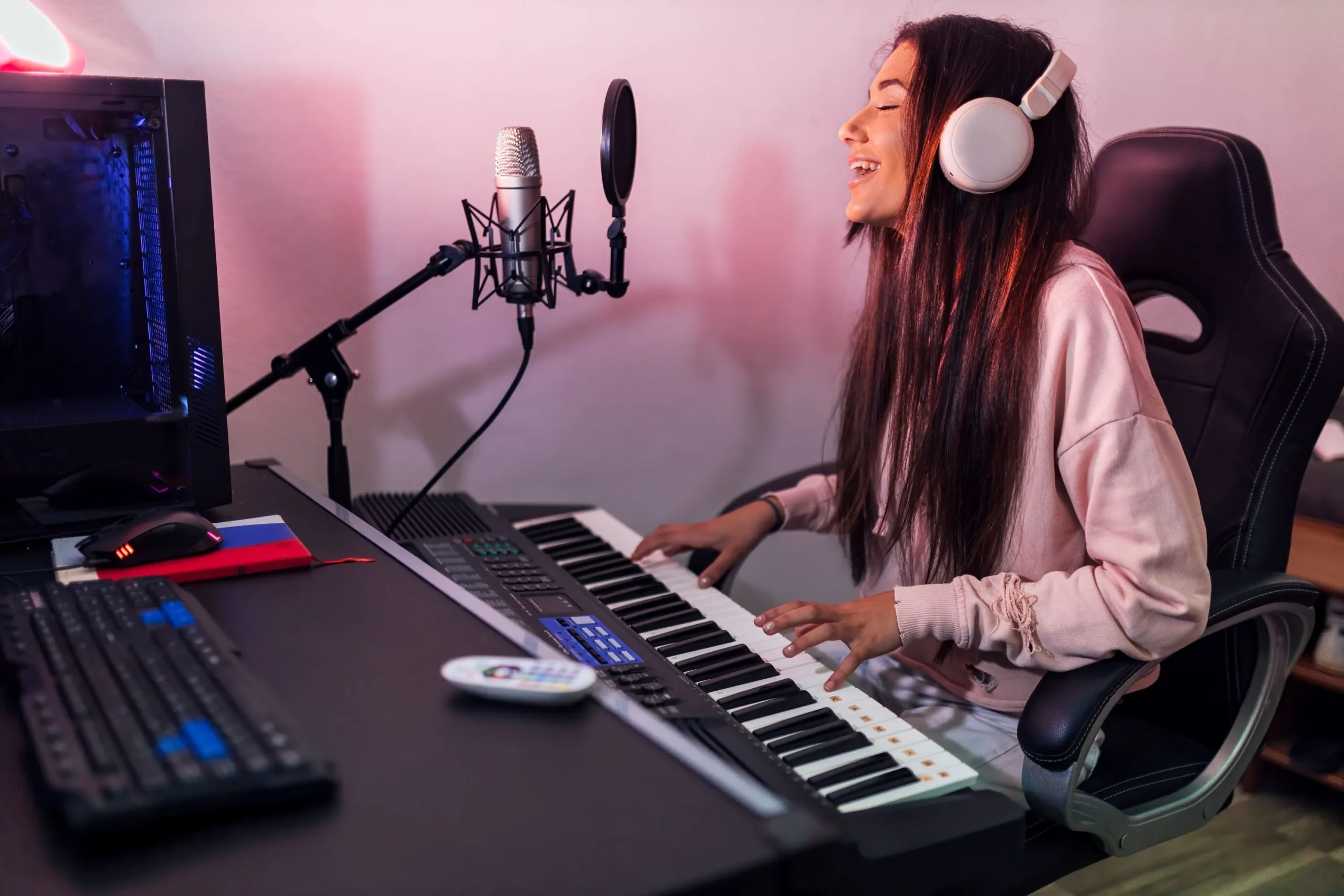
The future sound: Co-pilot, not clone
The fear that AI will completely replace human musicians is understandable, but the reality is likely to be a co-evolution. AI is not coming to take over the studio; it is coming to be the ultimate, tireless assistant.
For the average music listener, the initial intrigue is often centered on whether the band is "real" or human.
However, as the novelty of AI music fades, the authenticity concern often gives way to the core question: does the music move them? While the focus may shift to the listening experience, the lack of a human story, struggle, and presence still risks removing the deep, emotional connection listeners form with artists over time.
For independent musicians, AI provides the leverage needed to compete with industry giants—offering the tools to produce, mix, and master music with speed and affordability. For the Content Creator, it offers limitless sonic customization to make their videos stand out.
The real transformation isn't about synthetic sound; it's about the speed and efficiency of the creative process. To thrive in this new landscape, where ideas are digital, files are huge, and collaboration is instantaneous, you need an internet connection that moves at the speed of light.
Quantum Fiber helps connect the human and the algorithmic, helping ensure that whether you are composing a classical symphony or generating the perfect loop for your next viral video, the only thing limiting your creativity is your imagination—not your bandwidth.
Are you ready to give your creativity the speed and reliability it deserves? Explore Quantum Fiber plans today and help ensure your artistic endeavors, whether fully human or AI-assisted, have the ultimate digital backbone.
Content Disclaimer - All content is for informational purposes only, may require user’s additional research, and is provided “as is” without any warranty, condition of any kind (express or implied), or guarantee of outcome or results. Use of this content is at user’s own risk. All third-party company and product or service names referenced in this article are for identification purposes only and do not imply endorsement or affiliation with Quantum Fiber. If Quantum Fiber products and offerings are referenced in the content, they are accurate as of the date of issue. Quantum Fiber services are not available everywhere. Quantum Fiber service usually means 100% fiber-optic network to your location but, in limited circumstances, Quantum Fiber may need to deploy alternative technologies coupled with a non-fiber connection from a certain point (usually the curb) to your location in order to provide the advertised download speeds. ©2026 Q Fiber, LLC. All Rights Reserved. Quantum, Quantum Fiber and Quantum Fiber Internet are trademarks of Quantum Wireless LLC and used under license to Q Fiber, LLC.