

The holiday season is quickly approaching, and with it comes the joy (and sometimes stress) of hosting family and friends. With more guests comes an increase in devices connected to your home Wi-Fi network. Whether it’s streaming movies, video calling relatives, or online gaming, your Wi-Fi is about to get a serious workout.
Without the right preparations, your network could experience slow speeds, buffering, or worse—disconnections. To avoid this and help ensure everyone has a smooth experience, here are practical tips to optimize your home Wi-Fi and get it holiday-ready.
Feel free to jump to the sections that interest you the most:
Assess your current Wi-Fi setup
Before making any changes, it’s essential to evaluate your current Wi-Fi setup. This will give you an idea of whether your network is equipped to handle the influx of holiday guests and devices.
1) Evaluate your Wi-Fi coverage
Walk around your home with your smartphone or tablet and assess the strength of your Wi-Fi signal in different areas. Are there any dead zones? If so, you may need to reposition your router or consider adding a Wi-Fi extender to boost the signal.
2) Check device capacity
Every router has a limit to how many devices it can support. During the holidays, when multiple guests connect their smartphones, tablets, laptops, and smart devices, your router might reach its capacity. Review your router’s specifications to see how many devices it can handle, and consider upgrading if it’s too low.
3) Review your internet speed
Internet speed is the foundation of good Wi-Fi performance. Ensure your current plan offers enough bandwidth to support multiple devices streaming, gaming, and making video calls at the same time. You can use tools like Speedtest to measure your internet speed and compare it to what your internet service provider promises.

Optimize your Wi-Fi for multiple devices
Now that you’ve assessed your current setup, it’s time to make some optimizations to help ensure your Wi-Fi can handle the extra load during the holidays.
1) Position your router for optimal coverage
The location of your router is key to achieving optimal coverage. Place your router in a central location in your home, ideally on a high surface, to help ensure the signal reaches more areas. Avoid placing it near thick walls, metal objects, or appliances that can interfere with the signal.
-
- Place it in the open, rather than inside a cabinet or behind furniture.
- Keep it away from electronic devices like microwaves and cordless phones, which can cause interference.
2) Use dual-band or tri-band routers
If your router supports both 2.4GHz and 5GHz bands, take advantage of this feature. The 2.4GHz band has a longer range but offers slower speeds, while the 5GHz band provides faster speeds but shorter range.
Encourage your guests to connect their devices based on what they need:
- Use the 5GHz band for bandwidth-heavy activities like streaming and gaming.
- Reserve the 2.4GHz band for activities like browsing or checking emails.
3) Update router firmware
Your router’s firmware is regularly updated by the manufacturer to improve performance and security. Log in to your router’s admin page to check for firmware updates. Installing the latest version can help improve your Wi-Fi’s stability and speed.
4) Reduce interference
Wireless interference can slow down your Wi-Fi, especially when you have more devices connected. You can reduce interference by changing the Wi-Fi channel in your router’s settings. Use a tool like Wi-Fi Analyzer to identify the least congested channel and switch to it for better performance.
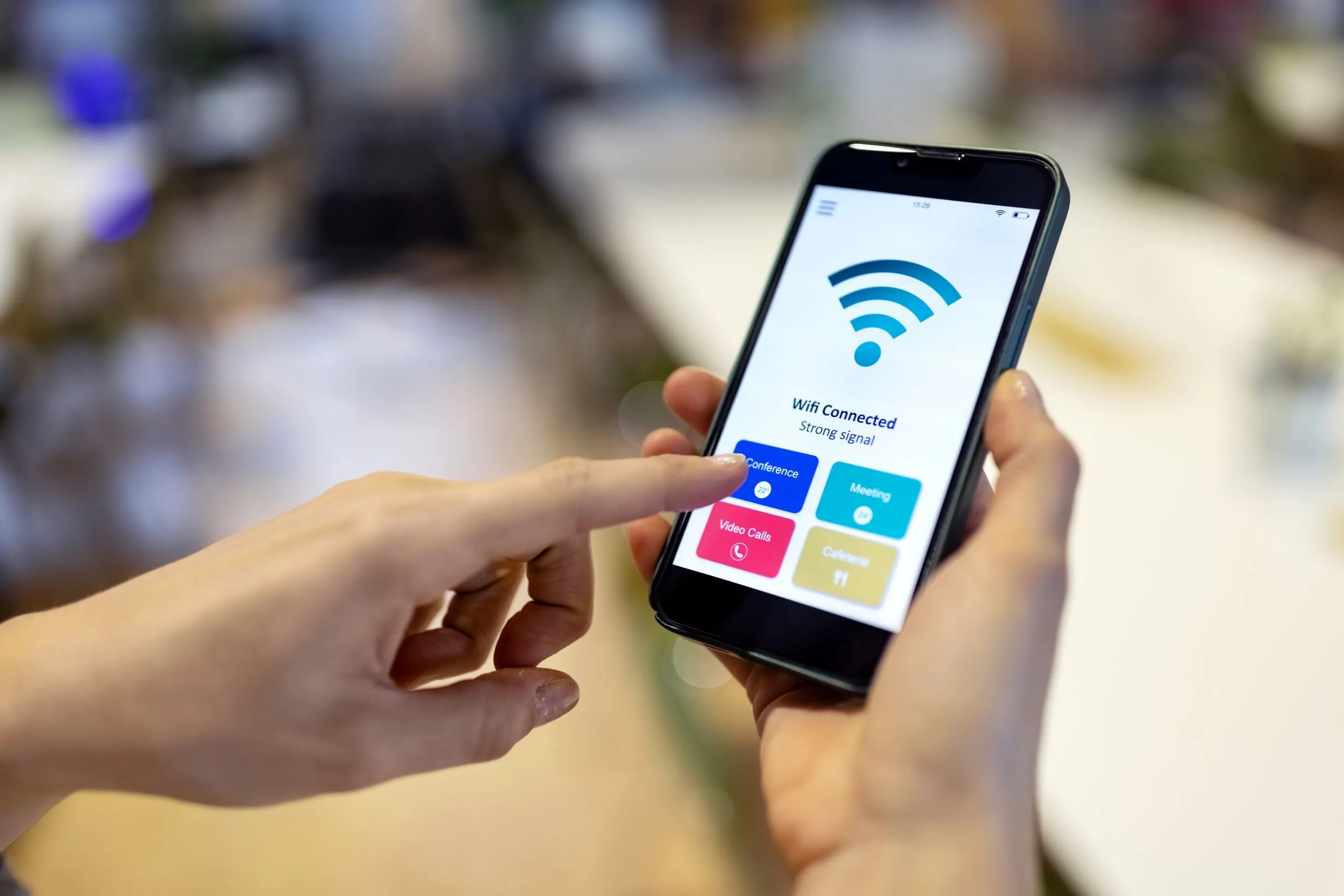
Set up a guest Wi-Fi network
Setting up a guest Wi-Fi network is a great way to keep your main network secure while ensuring your guests can connect easily.
1) Why a guest network is important
A guest network allows you to separate your main network from guest devices. This not only protects your personal data but also helps ensure that guests don’t overload your main network. With a guest network, you can manage the number of connected devices and set bandwidth limits.
2) How to set up a guest network
Most modern routers allow you to set up a guest network in the admin settings. Here’s how to do it:
- Log into your router’s control panel.
- Look for the “Guest Network” option and enable it.
- Choose a name and password for the guest network.
- Optionally, set bandwidth limits for the guest network to help ensure it doesn’t slow down your main network.
3) Control access
After setting up your guest network, create a strong, temporary password that you can change after the holidays. Limiting access to the guest network can help keep your internet speeds steady and secure.
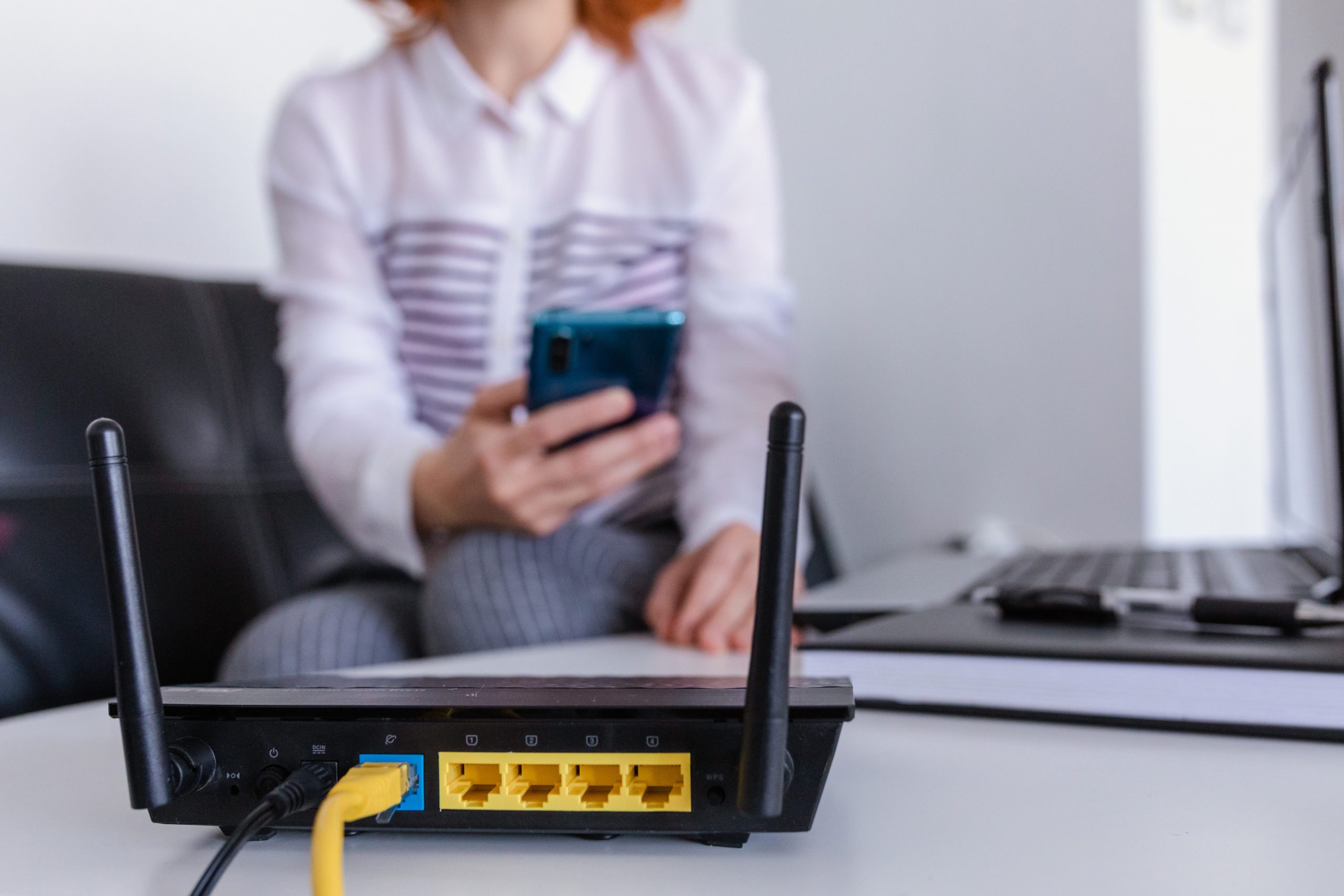
Troubleshoot common Wi-Fi issues
Even with the best setup, Wi-Fi problems can still occur, especially when more people and devices are connected. Here are some common Wi-Fi issues and how to troubleshoot them:
1) Slow speeds in certain areas
If some areas of your home are experiencing slow speeds, try these solutions:
- Reposition your router: Move it to a more central location.
- Add a Wi-Fi extender: Use an extender to improve coverage.
- Use wired connections: For devices like gaming consoles or smart TVs, consider using a wired Ethernet connection to take some load off the Wi-Fi.
2) Buffering during streaming
If guests are experiencing buffering while streaming, here are a few tips to fix it:
- Reduce the number of devices connected: Too many devices using the Wi-Fi at once can cause slowdowns.
- Prioritize traffic for streaming devices: In your router settings, you can enable Quality of Service (QoS) to prioritize streaming devices.
- Connect to the 5GHz band: Streaming devices should use the 5GHz band for faster speeds.
3) Wi-Fi drops or interruptions
If your Wi-Fi keeps dropping or you experience interruptions, try these steps:
- Restart your router: Sometimes a simple reboot can fix performance issues.
- Update your router’s firmware: Check for firmware updates that could improve stability.
- Switch to wired connections: For more reliability, connect high-priority devices directly to the router with an Ethernet cable.
Consider upgrading your Wi-Fi equipment
If your Wi-Fi is still struggling despite your efforts, it may be time to upgrade your equipment. As technology advances, older routers can have trouble keeping up with modern demands.
1) When to upgrade
If your router is over five years old, it might not support the latest Wi-Fi standards, like Wi-Fi 6 or Wi-Fi 7. These newer standards provide faster speeds, better range, and the ability to support more devices.
2) Benefits of mesh networks
A additional Wi-Fi extenders is ideal for large homes or homes with multiple floors. Instead of relying on a single router, mesh systems use multiple access points to distribute the Wi-Fi signal more evenly, eliminating dead zones.
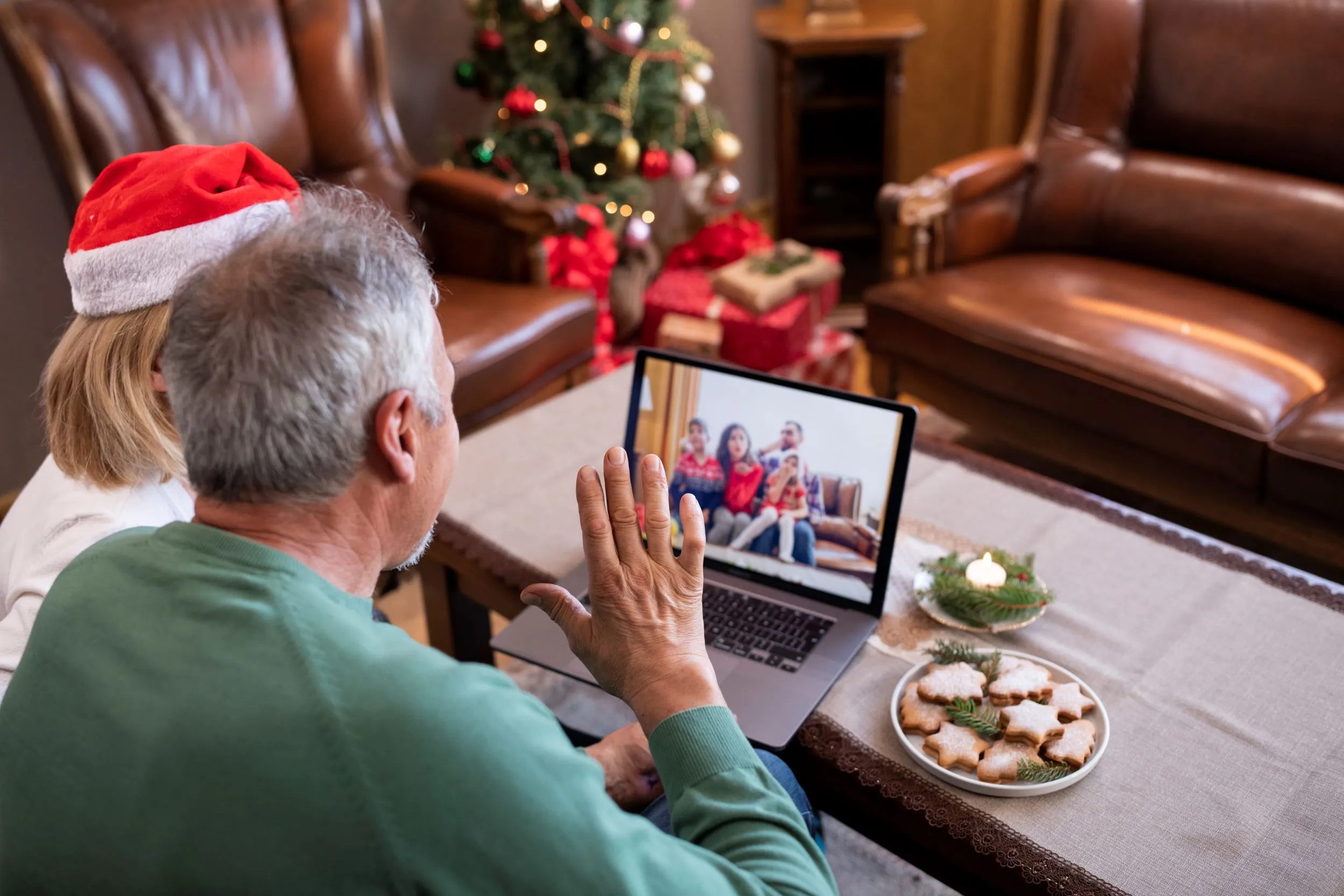
Make sure your home Wi-Fi is holiday-ready this season
Preparing your home Wi-Fi for holiday guests and streaming is essential to providing a smooth and enjoyable experience for everyone. By evaluating your current setup, optimizing your network, setting up a guest Wi-Fi, and troubleshooting any common issues, you can help ensure that your Wi-Fi is ready for the holidays.
For households looking for faster, more reliable internet, consider upgrading to the advanced solutions offered by Quantum Fiber. With 360® Wi-Fi for whole-home coverage and Wi-Fi 7 devices for faster speeds, Quantum Fiber provides cutting-edge technology to meet the needs of busy homes. Quantum Fiber also offers multi-gig plans with speeds of up to 2 Gig, up to 3 Gig, and up to 8 Gig in select locations, perfect for supporting multiple devices and bandwidth-heavy activities.
Check if you qualify for Quantum Fiber internet service and enjoy seamless streaming, gaming, and connectivity this holiday season!
Content Disclaimer - All content is for informational purposes only, may require user’s additional research, and is provided “as is” without any warranty, condition of any kind (express or implied), or guarantee of outcome or results. Use of this content is at user’s own risk. All third-party company and product or service names referenced in this article are for identification purposes only and do not imply endorsement or affiliation with Quantum Fiber. If Quantum Fiber products and offerings are referenced in the content, they are accurate as of the date of issue. Quantum Fiber services are not available everywhere. © 2026 AT&T Intellectual Property. AT&T and the Globe logo are registered trademarks of AT&T Intellectual Property. All other marks are the property of their respective owners.